Harvey Shapiro
Sâmbătă
E amiaza și nu știi
ce să faci cu viața ta.
Întotdeauna o ia de la-nceput,
așa că aștepti să înceapă iar.
Apoi vin melodiile, apoi vine
tristețea, apoi vine
sfârşitul glorios.
Zâmbetul ei, mersul ei
aveau o vitalitate ritmică.
Ce altceva puteam face?
Am în minte și-acum
felul în care ochii ei se măreau
Să uit misterul femeilor fiindcă
dorm singur?
Să pășești nefericit și-nsingurat
la două dimineața – asta ți-ai
dorit. Poți
aprinde lumina.
Nu are pe cine să deranjeze.
Gustul pe care-l simiți pe limbă
e visul tău:
infidelitate, lașitate, frică.
Așa cum a vrut Dumnezeu să fiu,
plâng, deschizându-mă,
simțind prin măruntaiele moi
pentru câteva semințe de adevăr.
O amăgire eroică, învățată
de la Levine (pentru el o fi
valabilă), cât despre tine –
tie îți place tristețea și gustul
pe care-l simți, tu ți l-ai ales
și îl numești viață.
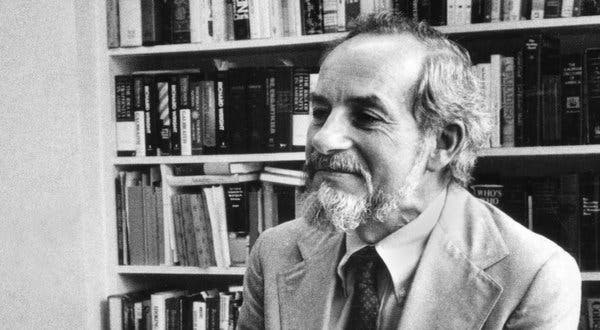
Harvey Shapiro (1924-2013 ) poet, traducător și editor american, afiliat cu revista New York Times Magazine între anii 1957-2005. Saphiro a scris peste douzeci de volume de poezie: The Eye (1953), The Light Holds (1984), National Cold Storage Company: New and Selected Poems (1988) sau The Sight Along the Harbor: New and Collected Poems (2009). În timpul celui de-al doilea război mondial, Shapiro a participat la 35 de misiuni deasupra Europei Centrale, la bordul unui B-17, în timpul staționării în Italia.
Harvey Shapiro
Saturday
It is noon and you don’t know
what to do with your life.
It always begins again,
so you wait for it to begin again.
Then comes the songs, then comes
the bitterness, then comes
the glorious end.
It was a rhythmic vitality
in her laugh, her walk.
What else was I to do?
The way her eyes widen
is still with me. Shall I forget
the mystery of women because
I sleep alone?
Walking unhappy and alone
at two A.M. is the way
you wanted to be. You can
put on the light.
There’s no one to disturb.
That taste in our month
ss your dream:
infidelity, cowardice, fear.
The way God wanted me to be,
I cry, opening me up,
feeling through the soft entrails
for a few hard grains of truth.
A heroic deception, learned
from Levine (for whom it may
be true), but as for you, you
like the gloom and the taste
in our mouth, you choose it
and you call it life.